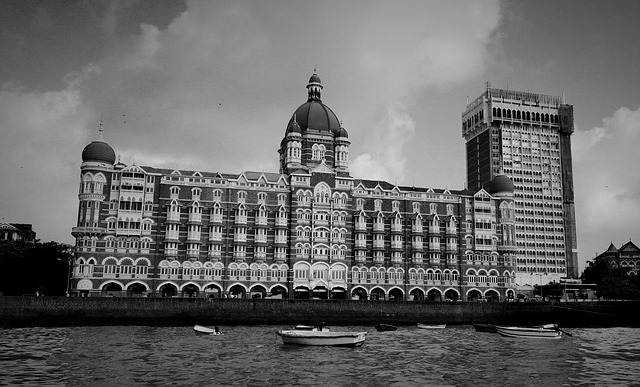
A food and lifestyle creator is a storyteller who documents how people eat, travel, dress, celebrate, and spend their time. In Mumbai, this role goes beyond reviewing restaurants. It involves capturing the character of a city where food, history, work, nightlife, fashion, and daily life constantly overlap.
Mumbai is not one simple story. It is a plate of vada pav eaten outside a station, a quiet morning in an Irani café, a rooftop cocktail in Lower Parel, and a long walk along Marine Drive after dark.
A creator’s job is to connect these moments. The best content does not merely show where to go. It helps people understand why a place matters and who might enjoy it.
Mumbai Is a City of Many Contrasts
Few cities change mood as quickly as Mumbai. Glass office towers stand close to old markets. Luxury restaurants operate a short drive from decades-old food stalls. A crowded local train can lead to a peaceful coastal promenade.
For a lifestyle creator, these contrasts provide endless material. The city can be explored through:
- Food and restaurants
- Street markets and local shopping
- Heritage buildings
- Art and performance
- Beaches and coastal walks
- Nightlife and live music
- Fashion and beauty
- Wellness and fitness
- Festivals and community traditions
- Everyday journeys across neighbourhoods
Mumbai’s official culture and heritage guide describes the city as a mix of traditions, religions, cuisines, music, and fine arts. It also identifies food as one of the main reasons to visit. That combination gives creators an opportunity to present Mumbai as a lived experience rather than a checklist of attractions.
Food Is the Fastest Way to Understand Mumbai
Food reveals how Mumbai works. It reflects migration, time pressure, local produce, religious traditions, and the need to serve millions of people at different price points.
The vada pav is a clear example. It is affordable, filling, quick to serve, and easy to eat while travelling. It suits the pace of the city. Yet Mumbai’s food identity extends far beyond one famous snack.
A creator may explore:
- Maharashtrian meals in Dadar
- South Indian cafés in Matunga
- Gujarati thalis around Kalbadevi
- Koli seafood in coastal communities
- Bohri and Mughlai food near Mohammed Ali Road
- Sindhi dishes in Chembur
- Parsi cafés in South Mumbai
- East Indian recipes in Bandra
- Contemporary dining in Lower Parel
- Global restaurants in BKC
The Brihanmumbai Municipal Corporation’s Mumbai food guide notes that the city serves cuisines from across India and caters to everyone from fast-food customers to luxury-hotel diners. That range is central to Mumbai’s food story.
A strong creator treats a street stall and a fine-dining restaurant with the same curiosity. The production quality may differ, but the questions remain similar: Is the food good? Is the price fair? What is the story behind it? Who should visit?
Every Mumbai Neighbourhood Has Its Own Personality
Location is one of the most useful elements in food and lifestyle content. Mumbai is too large for vague advice. A recommendation becomes more practical when it explains the neighbourhood, travel time, crowd, and best time to visit.
South Mumbai: Heritage and Grandeur
Colaba, Fort, Churchgate, Kala Ghoda, and Marine Drive combine heritage buildings, galleries, cafés, luxury hotels, and coastal views.
A creator can build a full story around breakfast at an old café, a walk through Kala Ghoda, an afternoon in a museum, and sunset beside the Arabian Sea.
The Mumbai City district’s culture and heritage resource highlights Kala Ghoda’s concentration of cultural landmarks, including galleries, historic institutions, and public art. It is a natural setting for content that blends food, architecture, and culture.
Bandra and Khar: Style and Social Energy
Bandra and Khar combine old villages, Catholic heritage, boutiques, bakeries, cafés, cocktail bars, and modern restaurants.
The neighbourhoods are highly visual, but their appeal is not limited to fashionable interiors. A thoughtful creator may also document East Indian food, Chapel Road’s street art, old bungalows, local markets, and the changing character of Pali Hill.
Platforms such as Aaruhi madan can help readers connect restaurant discovery with nightlife, lifestyle, and local experiences. That broader approach reflects how people actually plan a day or evening in Mumbai.
Dadar and Matunga: Tradition in Daily Life
Dadar and Matunga offer a different rhythm. Here, food is closely linked to language, community, family habits, and long-standing institutions.
Matunga is known for South Indian cafés and markets, while Dadar has deep links with Maharashtrian food and culture. These areas reward creators who slow down, speak with owners, and explain unfamiliar dishes.
Andheri and Versova: Creative, Busy and Diverse
Andheri West and Versova bring together actors, writers, production workers, students, families, and long-term residents. Their dining scene ranges from casual cafés and global restaurants to late-night bars and small regional kitchens.
This variety makes the area useful for budget guides, work-friendly cafés, date ideas, nightlife stories, and profiles of independent food businesses.
Powai and BKC: Modern Urban Mumbai
Powai and Bandra Kurla Complex represent the city’s newer commercial life. Powai offers lakeside dining, cafés, and group-friendly restaurants. BKC is known for corporate offices, premium restaurants, and polished after-work venues.
Both areas show how Mumbai’s food culture adapts to changing work patterns and modern social habits.
A Creator Notices More Than the Menu
Good lifestyle coverage considers the complete experience.
At a restaurant, that includes:
- Ease of booking
- Access from the nearest station or landmark
- Seating comfort
- Lighting and music
- Staff knowledge
- Menu clarity
- Portion size
- Dietary options
- Hygiene
- Price and value
- Accessibility
- Payment and service charges
These details help readers make informed choices. A beautiful plate may earn attention, but practical information earns trust.
The same principle applies to lifestyle content. A creator reviewing a market, gallery, salon, or event should explain cost, timing, location, accessibility, and the type of visitor it suits.
Street Food Needs Context, Not Just Close-Up Shots
Mumbai street food is colourful, fast, and visually appealing. It performs well in short videos, but responsible coverage should go beyond melted cheese and oversized portions.
A useful street-food story explains:
- What the dish is
- Its local or cultural roots
- How it is prepared
- What it costs
- When the stall is open
- Whether seating is available
- How to reach the location
- What hygiene conditions were visible
- Whether the vendor agreed to be filmed
Creators should avoid blocking pavements or disrupting a vendor during a busy period. They should also seek permission before filming staff and customers at close range.
Most importantly, they should not make broad claims after one visit. Food quality can change by time, crowd, and preparation. Honest wording is more helpful than declaring every stall “the best in Mumbai.”
Nightlife Shows Another Side of the City
After dark, Mumbai shifts from work mode to social mode. Bandra, Lower Parel, Andheri West, Colaba, Worli, Juhu, and BKC offer different types of nightlife.
A creator might cover:
- Quiet cocktail bars
- Live-music venues
- Rooftop lounges
- Neighbourhood pubs
- Late-night restaurants
- Comedy shows
- Theatre and cultural events
- Alcohol-free social spaces
Useful nightlife content should mention cover charges, reservation rules, expected music levels, dress codes, closing times, and transport.
Safety also belongs in the story. Creators should encourage readers to use trusted transport, watch their drinks, respect venue staff, and never drink and drive.
Fashion and Beauty Are Part of Mumbai’s Street Language
Mumbai style is shaped by climate, commuting, work, film, and nightlife. The result is practical but expressive.
A lifestyle creator can move between designer stores, street markets, independent labels, beauty studios, and local tailors. Linking Road, Hill Road, Colaba Causeway, and Mangaldas Market each offer a different shopping experience.
The most useful fashion content includes real prices, fabric details, size information, return rules, and styling ideas. It also distinguishes between original work and copies.
Beauty reviews require the same care. Hygiene, staff training, product disclosure, and honest results matter more than a perfectly filmed interior.
Mumbai’s Heritage Deserves Careful Storytelling
Heritage is not simply a backdrop for photographs. Buildings, cafés, markets, and neighbourhoods carry the memories of the communities that shaped them.
Khotachiwadi, for example, is a protected heritage precinct known for its East Indian and Goan-influenced character. The official Incredible India guide to Khotachiwadi describes its distinctive houses, chapel, culture, and protected status.
A responsible creator learns the background before posting. Residents should not be treated as props, and private homes should not be filmed without permission.
The same care applies to Koli villages, religious sites, old markets, and community festivals. Accurate names, respectful clothing, and clear consent help protect both the place and the creator’s credibility.
The Best Content Captures Ordinary Mumbai Life
Some of Mumbai’s most meaningful moments are not glamorous. They happen during a rainy commute, over cutting chai, inside a crowded market, or while waiting for a train.
Lifestyle creators can bring value by showing these ordinary details. A morning flower market, a neighbourhood bakery, a local lunch service, or a Sunday walk can reveal more about the city than another list of luxury venues.
This form of content also gives audiences useful alternatives. Not every reader wants an expensive dinner or exclusive event. Many want affordable ideas for a free afternoon, a family outing, or a meal near home.
How Creators Build Trust
Trust is essential when recommendations can affect how people spend their money.
A credible creator should:
- Visit or test what they recommend
- Verify names, prices, and locations
- Mark sponsored or hosted content
- Explain personal preferences
- Avoid exaggerated claims
- Correct outdated information
- Respect photography restrictions
- Include both strengths and limits
- Protect the privacy of local people
- Review different budgets fairly
Paid work is a normal part of content creation. The problem begins only when a commercial partnership is hidden. Clear labels such as “paid partnership,” “hosted,” or “invited” allow the audience to judge the content properly.
What Mumbai Looks Like Through a Creator’s Lens
Through a food and lifestyle creator’s eyes, Mumbai is not divided into separate categories. Food connects with heritage. Fashion meets climate. Nightlife depends on transport. Neighbourhood identity shapes what people eat and how they gather.
The creator becomes a guide between these layers.
One story may begin with breakfast in Matunga and end with a play in Prabhadevi. Another may pair a heritage walk in Fort with lunch in Kala Ghoda. A Bandra guide may include street art, shopping, coffee, dinner, and a late-night bar.
This connected view is more useful than a simple list because it helps readers experience the city as a whole.
Final Thoughts
Mumbai rewards curiosity. Its strongest stories are found not only in famous landmarks, but also in neighbourhood cafés, family kitchens, coastal communities, crowded markets, local trains, and late-night conversations.
A thoughtful food and lifestyle creator makes these stories easier to discover. The work requires research, first-hand observation, honest disclosure, and respect for the people behind each place.
When those values guide the content, Mumbai appears as it truly is: fast yet patient, traditional yet inventive, expensive yet resourceful, and always ready to offer another story around the next corner.
Frequently Asked Questions
What is a food and lifestyle creator?
A food and lifestyle creator produces content about restaurants, recipes, travel, fashion, beauty, nightlife, culture, and everyday experiences. The content may appear on a blog, social platform, podcast, or video channel.
What food is Mumbai best known for?
Mumbai is known for vada pav, pav bhaji, bhel puri, sev puri, Bombay sandwiches, kebabs, seafood, Parsi dishes, and food from communities across India.
Which Mumbai areas are best for food content?
Colaba, Fort, Bandra, Khar, Dadar, Matunga, Mohammed Ali Road, Chembur, Andheri, and Ghatkopar all offer distinct food stories.
How can creators review restaurants fairly?
They should visit in person, describe specific dishes, show current prices, disclose free meals or payments, and explain both positive and negative parts of the experience.
Why is local context important in Mumbai content?
Mumbai is large, and every neighbourhood has a different culture, price range, and travel pattern. Local context helps readers decide whether a recommendation suits their location and needs.
Can food creators help small Mumbai businesses?
Yes. Clear, accurate coverage can introduce small restaurants, home chefs, bakeries, and street vendors to new customers. Creators should avoid making promises about sales or overwhelming a small business without warning.
How can readers check a creator’s recommendation?
Compare the post with recent menus, map listings, customer reviews, and the venue’s official page. Check the publication date because prices, timings, and restaurant details can change.
What makes lifestyle content trustworthy?
First-hand experience, clear disclosures, useful detail, cultural respect, corrections, and balanced language are strong signs of trustworthy content.